
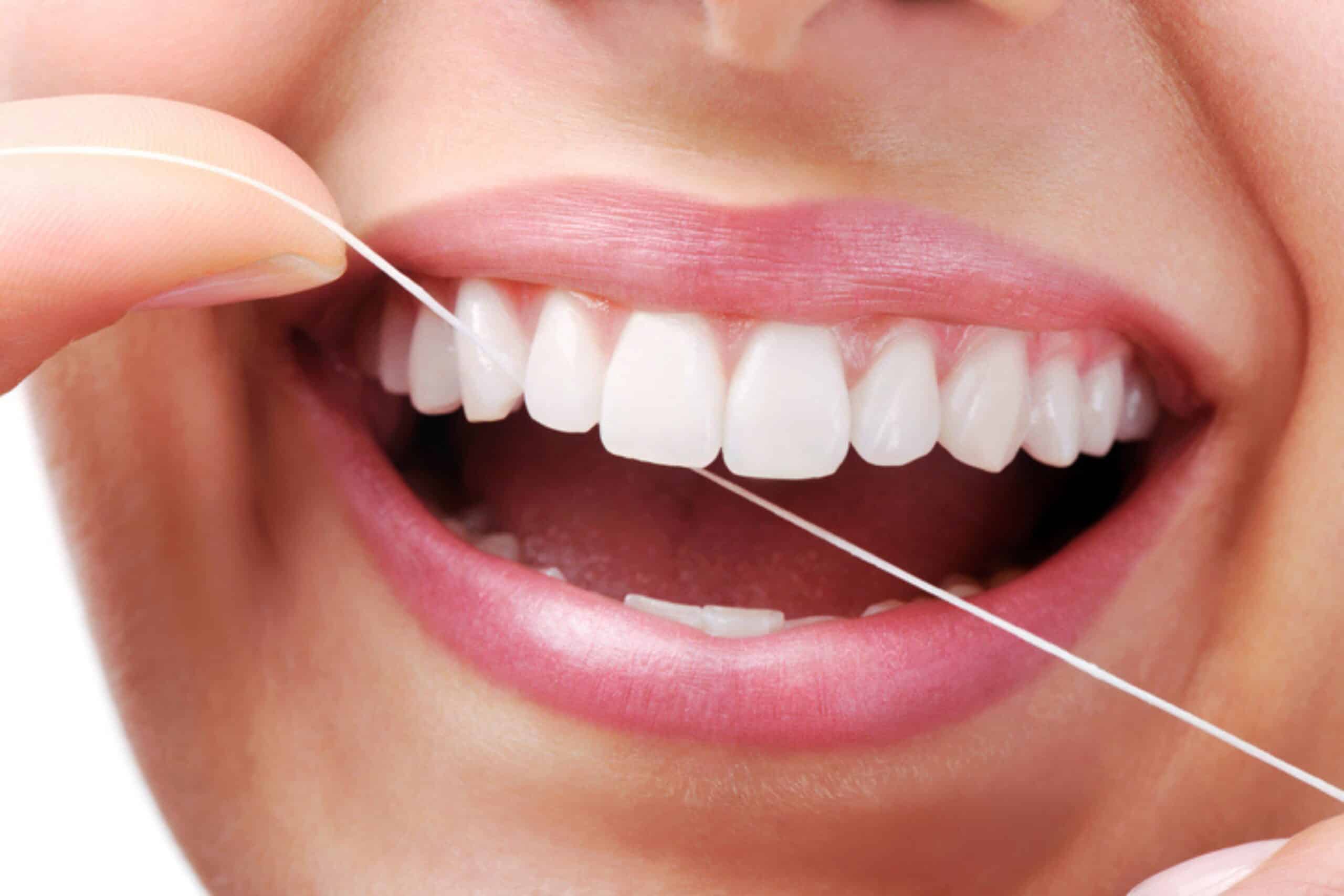
Brushing and flossing are both essential parts of that routine, but many people are unsure how to use them together.
Quick Answer: Flossing first is slightly more effective because it helps remove plaque between teeth before brushing. Still, both methods work if you brush twice daily and floss once daily.
Understanding how each step works can help you create a routine that fits your lifestyle and supports long-term dental health.
Why Do You Need to Brush and Floss Every Day?
Brushing and flossing serve different purposes, and both are necessary for a healthy smile.
Brushing removes plaque, bacteria, and food from the front, back, and chewing surfaces of your teeth. Flossing removes plaque and debris from between teeth and under the gumline where a toothbrush cannot reach.
According to the American Dental Association, brushing alone cannot fully clean between teeth, which is why daily flossing is an essential part of a complete oral hygiene routine.
If you skip brushing, plaque remains on tooth surfaces. If you skip flossing, plaque stays between teeth. Over time, this can lead to cavities, gum irritation, and other oral health concerns.
For patients with braces or Invisalign clear aligners, these areas are even harder to clean, which makes daily brushing and flossing especially important.
Is It Better to Floss Before or After Brushing?
Both approaches can be effective, and the best choice often depends on what helps you stay consistent.
Flossing before brushing may help remove more plaque. It loosens food and debris between the teeth, allowing brushing to better clean those areas and spread fluoride more effectively.
Brushing before flossing can make the routine feel easier, especially for kids, teens, and patients with braces. Brushing first removes surface buildup and larger food particles, which can make flossing smoother and more manageable.
In the end, the difference is small. What matters most is brushing thoroughly and flossing daily as part of a consistent routine.
What Should Kids and Teens Do?
Kids and teens should focus on building simple and consistent habits.
Younger children often need help learning proper flossing technique. Using floss picks or easy-to-handle tools can help. Teens, especially those with braces, should take extra time to clean around brackets and wires.
The goal is not perfection. The goal is building a routine that becomes part of daily life.
What Should Adults Keep in Mind?
Adults should choose a routine that fits naturally into their day.
Consistency is key. Brushing thoroughly, flossing carefully, and not rushing through either step will have a greater impact than the order itself.
Adults undergoing orthodontic treatment should also adjust their routine to clean around their appliances properly.
How Does Orthodontic Treatment Change Your Routine?
Orthodontic treatment requires more attention to daily cleaning.
Braces and Invisalign clear aligners create additional spaces where plaque can collect. Patients may need tools such as floss threaders or water flossers to clean effectively.
Dr. R. Laurie McNamara McClatchey, an experienced orthodontist in Ann Arbor, MI, works closely with patients to develop personalized oral hygiene routines that support both oral health and successful treatment outcomes.
What Is the Best Routine Overall?
The best routine is the one you follow every day.
You can floss first or brush first. Both methods work when done correctly. Focus on consistency, proper technique, and regular dental visits.
Over time, consistent brushing and flossing habits help prevent costly dental issues and support long-term oral health. A strong daily routine helps prevent cavities, supports orthodontic care, and keeps your smile healthy over time.
If you are considering braces or Invisalign, building good oral hygiene habits is an important first step. The team at McNamara Orthodontics in Ann Arbor, MI can help you get started with a personalized treatment plan and guidance to keep your smile healthy throughout your orthodontic journey.
Schedule a consultation today to learn more about your options and take the next step toward a healthier, more confident smile.